
Propagation
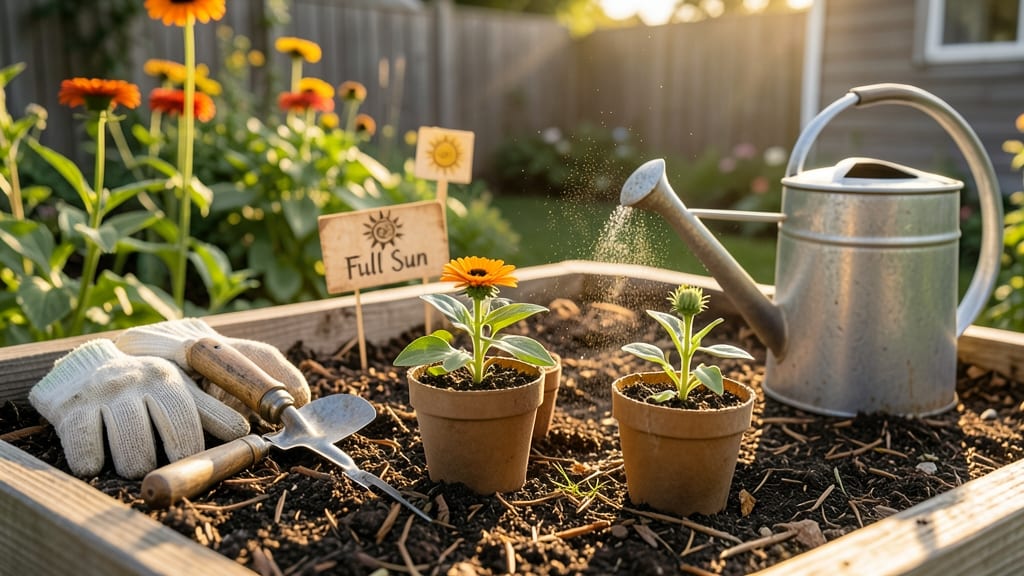
Growing zinnias from seed to flower means 12 weeks of vibrant color for your garden—if you avoid the three mistakes that kill most beginners. 🌻 I’ve turned my patchy first attempts into reliable, showstopping blooms by mastering timing, soil, and a little trick with the stems that keeps them standing tall all summer.
The secret starts with fast-draining soil (no soggy roots!) and seeds sown ¼-inch deep in warm soil—never before last frost. Zinnias love heat, so if you plant too early, they’ll bolt or rot.
I use biodegradable pots to avoid disturbing roots when transplanting, and that small step saved me from losing half my seedlings last spring. By week 6, you’ll see those first fuzzy leaves, but here’s the twist: pinch the stems when they’re 6 inches tall to encourage bushier growth.
Skipping this step means skinny, floppy plants with fewer blooms. The payoff? A sea of zinnias that lasts until frost, with colors so bold they’ll make your neighbors ask for cuttings.
This method works for any variety—dwarf zinnias in containers, giant ‘Benary’s Giant’ in beds, or even the delicate ‘Crystal’ series. The key is consistency: water at the base (not overhead), fertilize lightly, and deadhead spent blooms. Ready to grow zinnias that outperform store-bought plants?
📚 In This Guide
- What you need
- Instructions
- Tips and common mistakes
- Wrapping up and next steps
What you need
- ● Zinnia seeds: Choose heirloom or hybrid varieties (e.g., ‘Benary’s Giant,’ ‘Profusion’). Start with 50–100 seeds for a small garden or 200+ seeds for larger displays.
- ● Seed-starting mix: 1–2 cubic feet of sterile, well-draining potting soil (avoid garden soil—it’s too dense!).
- ● Containers: Seed trays or cell packs: 50–100 cells (for individual seedlings).
- ● OR Biodegradable pots: 2–4 inches deep (easier for transplanting!).
- ● Watering can or spray bottle: With a fine mist nozzle to avoid disturbing seeds.
- ● Grow lights or sunny windowsill: 12–16 hours of light/day (south-facing window or LED grow lights 12–18 inches above seedlings).
- ● Plant labels: 50–100 labels (write seed variety + date!).
- ● Fertilizer: Balanced liquid fertilizer (10-10-10) or fish emulsion (diluted to half-strength).
- ○ Heat mat (optional): For faster germination (70–75°F is ideal).
- ● Humidity dome or plastic wrap: To retain moisture during germination.
- ● Pruners or scissors: For pinching back leggy seedlings later.
- ● Outdoor garden space: Full sun (6+ hours/day) and well-draining soil (amend with compost if needed!).
- ● 🌡️ Temperature check: Zinnia seeds germinate best at 70–75°F. If your home is cooler, use a heat mat!
- ● ✨ Light love: Avoid placing seedlings under cool fluorescent lights—they won’t thrive without warmth.
- ● 🎯 Soil secret: Mix in perlite or vermiculite (20%) to improve drainage and prevent damping-off.
Step-by-step guide to growing zinnias from seed to full bloom
Here's the method I've refined over seasons to get zinnias blooming reliably and producing cut flowers all summer long.
🌱 Step 1: Start Seeds Indoors or Direct-Sow After Frost
Zinnia seeds germinate best in warm soil—at least 60°F. I start mine indoors 6-8 weeks before last frost because seedlings grow fast and need warmth to avoid damping-off. Use small seed-starting trays filled with sterile potting mix and plant seeds ¼ inch deep.
Keep the soil consistently moist but never soggy—zinnias hate wet feet. Cover the tray with plastic wrap to retain humidity, then place it in a warm spot like on top of the fridge. Germination typically takes 5-10 days. Once seedlings emerge, remove the plastic and move them to a sunny windowsill or under grow lights for 14-16 hours of light daily.
🌿 Step 2: Harden Off and Transplant Seedlings
Two weeks before your last frost date, begin hardening off seedlings by placing them outside in a sheltered spot for 1-2 hours the first day. Gradually increase their outdoor time over 7-10 days, watching for signs of stress like wilting or yellowing leaves. Zinnias are tough but still need gentle acclimation.
Transplant seedlings outdoors after all danger of frost has passed, spacing them 8-12 inches apart in rows 18-24 inches apart. The key is to plant them at the same depth they were in their containers—burying too deep can cause stems to rot. Water deeply right after transplanting to help settle the soil around the roots.
☀️ Step 3: Provide Full Sun and Consistent Watering
Zinnias thrive in full sun—at least 6-8 hours daily. They’ll grow in partial shade but produce fewer blooms. I plant mine in the sunniest part of my garden where they get afternoon sun without afternoon shade. Water at the base of the plants, keeping the soil evenly moist but not waterlogged.
Here’s the trick: water deeply once a week rather than daily shallow waterings. This encourages deep root growth, which makes zinnias more drought-tolerant. You’ll know you’re doing it right when the soil feels dry 1-2 inches down between waterings. Overwatering leads to weak stems and fungal issues.
✂️ Step 4: Deadhead and Fertilize for Continuous Blooms
Deadheading—removing spent blooms—is the secret to nonstop zinnias. Pinch off faded flowers with your fingers or snip them with clean scissors just above the next set of leaves. This redirects the plant’s energy from seed production to growing new blooms. I do this every 2-3 days during peak bloom season.
Feed zinnias with a balanced 10-10-10 fertilizer every 4-6 weeks to keep them robust. Too much nitrogen makes them grow lush foliage but few flowers, so I use a lower-nitrogen formula like 5-10-10 for extra blooms. Stop fertilizing 6-8 weeks before first frost to let the plants harden off naturally.
🌼 Step 5: Extend the Season and Save Seeds for Next Year
To prolong blooms, cut flowers in the morning when buds are just opening—they last longer in vases. Leave a few plants to go to seed if you want to harvest seeds for next year. The seed heads form in 4-6 weeks after flowering and turn papery brown when ready. Twist them off gently or cut the stems and let them dry in a paper bag.
For a second crop, sow a fresh batch of seeds 6-8 weeks before your first fall frost. Zinnias are heat-loving annuals, but they’ll often rebloom in cooler fall weather if given enough sun. With proper care, you’ll have cut flowers from early summer through frost—plenty for bouquets and sharing with neighbors.
Tips & tricks for perfect zinnia growth from seed
A few small adjustments can transform your zinnias from struggling seedlings to vibrant blooms that last all season.
Germination Secret: The 5-10 day germination window is your first critical test. If seeds aren't sprouting within 10 days at 60°F, gently press them deeper (but no more than ½ inch) or try a heat mat to maintain consistent warmth. I've found that using a spray bottle to mist the soil rather than watering from above prevents seeds from being dislodged during germination.
Harden Off Gradually: Those 7-10 days of hardening off are non-negotiable for zinnias. Start with just 1-2 hours on the first day and increase by 1 hour each subsequent day. Watch for leaves that perk up after watering—this is your plant's way of telling you it's adapting. If you see wilting, it's a sign to slow down the process. The goal is to mimic natural conditions where plants slowly adjust to outdoor elements.
Sunlight Strategy: While zinnias thrive in 6-8 hours of sun, don't underestimate the importance of afternoon sun. Position your plants where they'll get direct sunlight during the hottest part of the day. If you're in a particularly hot climate, provide some afternoon shade during the first week after transplanting to prevent stress. This is especially important if your zinnias are in containers, which heat up faster than garden beds.
Deadheading Discipline: The 2-3 day deadheading schedule is where the magic happens for continuous blooms. I've learned that using clean, sharp scissors is better than pinching with fingers—it gives you more control and prevents damaging the stem. Always cut just above a leaf node where new growth can emerge. This simple habit can extend your blooming season by weeks, giving you flowers from early summer through frost.
Pro Tips for Zinnia From Seed To Flower
- A few small adjustments can transform your zinnias from struggling seedlings to vibrant blooms that last all season.
- Germination Secret: The 5-10 day germination window is your first critical test.
- Harden Off Gradually: Those 7-10 days of hardening off are non-negotiable for zinnias.
Frequently asked questions
Got questions about growing zinnias from seed to show-stopping blooms? You’re not alone! Here are answers to the most common queries—because every gardener deserves a little extra help.
How long does it take for zinnia seeds to germinate?
Zinnia seeds typically sprout within 5 to 14 days after planting, depending on soil warmth and moisture. Keep seeds consistently moist and in a sunny spot (or under grow lights) to speed up germination. If you’re impatient, try pre-soaking seeds for 24 hours to kickstart the process!
Can zinnias grow in partial shade?
While zinnias thrive in full sun (6+ hours daily), they can tolerate partial shade—especially in hot climates. However, expect fewer blooms and weaker stems. If shade is unavoidable, choose compact varieties like 'Thumbelina' and ensure well-draining soil to prevent leggy growth.
When is the best time to plant zinnia seeds?
For most climates, sow seeds 2–3 weeks after your last frost date when soil temps reach 50°F+. In warm zones, plant in early spring or fall to avoid summer wilting. For a continuous bloom, stagger plantings every 2–3 weeks!
Why aren’t my zinnia seeds sprouting?
Common culprits include cold soil, overwatering (which causes rot), or planting too deep (seeds need light to germinate). Try pressing seeds lightly into soil (no deeper than ¼ inch) and keeping them warm. If mold appears, let the soil dry slightly before retrying.
Can I save zinnia seeds for next year?
Let spent blooms fully dry on the plant (they’ll turn papery brown). Then, rub the seed heads to release seeds—store them in a cool, dry place. Test viability by doing the twist test: crush a seed between your fingers; if it’s hard, it’s good to go!
Wrapping up and next steps
Growing zinnias from seed to flower is a rewarding journey that brings vibrant color to your garden with minimal effort! 🌸 From selecting the right seeds to mastering the twist test for storage, each step ensures your blooms thrive year after year.
With patience and a little care, you’ll enjoy a stunning display of cheerful flowers—so grab those seeds and get planting!
Ready to take it further? Experiment with different varieties or share your zinnia-growing tips with fellow gardeners. Happy gardening!