
Lawn
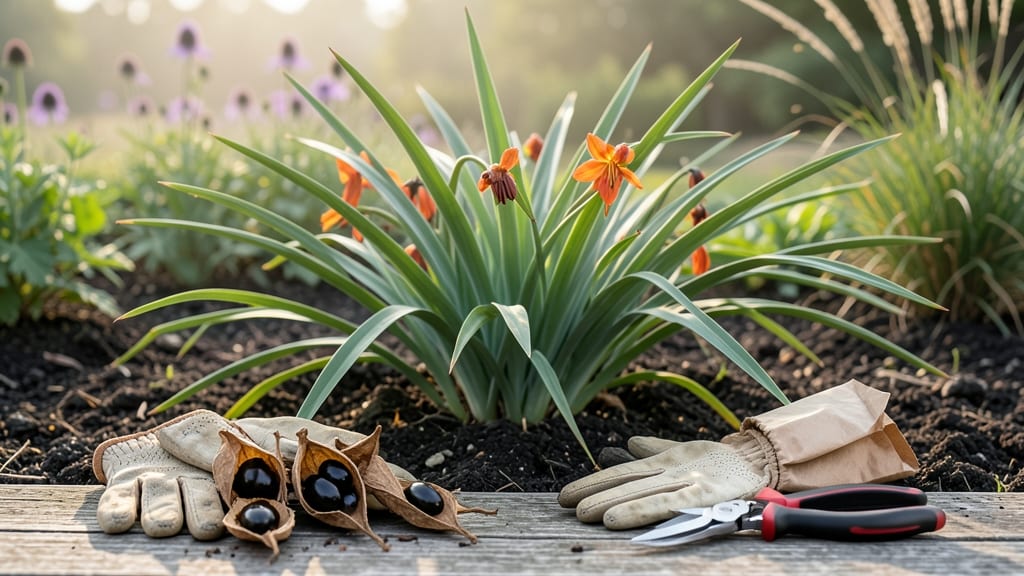
Blackberry lily seed pods hold the secret to multiplying these striking plants for free. 🌱 The moment those papery pods split open reveals glossy black seeds—each one a potential new plant.
I’ve collected and grown hundreds of blackberry lilies from seed, and the process is simpler than you’d think, especially if you time it right with their natural cycle.
First, you’ll need a pair of sharp scissors and a small container to catch the seeds as they fall. Harvest the pods when they’re fully dry and starting to crack open—usually in late summer or early fall.
Once you’ve collected them, let the seeds dry for another week before storing them in a cool, dry place until planting season arrives.
Planting is where the magic happens. Scatter the seeds on prepared soil in early spring, barely covering them with a light sprinkle of dirt. They’ll need consistent moisture but no soaking—think of it like keeping a damp sponge, not a puddle.
Within weeks, you’ll see those first green shoots pushing through the soil, ready to bloom in just a season or two.
Here’s the best part: blackberry lilies thrive in poor soil and full sun, making them perfect for adding color to tough spots in your yard. With patience, you’ll have clusters of these bold, rust-red blooms popping up everywhere—all from a handful of seeds you collected yourself.
📚 In This Guide
- What you need
- Instructions
- Tips and common mistakes
- Wrapping up and next steps
What you need
- ● Mature blackberry lily seed pods: Collect 10–20 fully dried, brown pods (they’ll rattle when shaken!). Pro tip: Harvest after they’ve naturally opened or split open.
- ● Pruning shears or sharp scissors: 1 pair (for clean cuts if pods are still attached to stems).
- ● Paper bags or breathable mesh bags: 2–3 medium-sized (to prevent moisture buildup).
- ● Labeling tags & a permanent marker: For tracking variety and harvest date.
- ○ Small bowl or tray: For sorting seeds (optional but helpful!).
- ● Gloves: To protect hands from prickly stems (if harvesting in bulk).
- ● Fine-mesh sieve: For separating seeds from chaff or debris.
- ● Desiccant packets: 1–2 (to absorb excess moisture in storage).
- ● Air-tight containers: Small jars or envelopes (for long-term seed storage).
- ● Notebook: To log seed viability notes (e.g., germination rates).
Step-by-Step guide to harvesting blackberry lily seed pods
Here's how to collect and save seeds from blackberry lilies for next season's garden.
🌱 Step 1: Identify and Locate Mature Seed Pods
Blackberry lilies produce striking seed pods after flowering. Look for pods that have turned a deep reddish-brown color—this indicates they're fully mature and ready for harvest. These pods typically appear in late summer or early fall, depending on your climate.
Gently examine the pods for any signs of splitting or cracking. If the pod feels firm to the touch and hasn't opened on its own, it's ready to be collected. Avoid harvesting pods that are still green or show any signs of decay, as these won't produce viable seeds.
✂️ Step 2: Carefully Harvest the Seed Pods
Use clean, sharp pruning shears or scissors to snip the seed pods from the plant. Cut the stem about 1 inch below the pod to avoid damaging the plant. Be gentle but decisive—blackberry lily pods are delicate and can split open if handled roughly.
Place the harvested pods in a paper bag or a breathable container. Avoid using plastic bags, as they can trap moisture and cause the pods to rot. Label the bag with the date and variety if you're working with multiple types of blackberry lilies.
🪴 Step 3: Dry and Prepare the Seed Pods
Allow the harvested seed pods to dry in a well-ventilated area for about 1-2 weeks. Choose a spot with indirect sunlight and good airflow, like a shaded porch or a room with a fan. The pods should feel dry and papery to the touch when fully dried.
Once dry, open the pods carefully by gently squeezing them. You'll find small, dark seeds inside. Remove any debris or empty seed casings, and place the clean seeds in an envelope or small container. Store them in a cool, dry place, such as a seed storage box or even the refrigerator, to maintain their viability.
⏰ Step 4: Store Seeds for Future Planting
Blackberry lily seeds can remain viable for up to 2 years if stored properly. Keep them in a sealed container with a desiccant packet to absorb any excess moisture. Label the container with the date and the type of blackberry lily to avoid confusion.
When you're ready to plant, sow the seeds in well-draining soil during the early spring. Blackberry lilies thrive in partial shade and prefer soil that's slightly moist but not soggy. Plant the seeds about ½ inch deep and keep the soil consistently moist until germination occurs, which typically takes 2-4 weeks.
💧 Step 5: Monitor and Care for New Seedlings
Once the seedlings emerge, provide them with bright, indirect light until they're strong enough to handle more direct sunlight. Water the seedlings gently but regularly, ensuring the soil remains evenly moist without becoming waterlogged.
Blackberry lilies are known for their striking foliage and unique flowers, so be patient as they establish themselves. With proper care, you'll soon have a thriving garden of these beautiful perennials, ready to produce more seed pods for future harvests.
Tips & tricks for perfect blackberry lily seed pod harvesting
These simple strategies will help you maximize seed viability and avoid common pitfalls when harvesting blackberry lily pods.
Timing is Everything: Harvest pods only when they've reached that deep reddish-brown color—this is your clear signal they're mature. I've learned the hard way that green pods won't produce viable seeds, and pods that have already split open will have lost their seeds. Aim for late summer or early fall timing, as this varies slightly by your growing zone.
Gentle Handling Matters: Blackberry lily pods are surprisingly delicate despite their sturdy appearance. When cutting the stem in Step 2, make your snip clean and about 1 inch below the pod to avoid damaging the plant's energy flow. I always use clean pruning shears and work on a dry day—wet pods are much more prone to splitting during harvesting.
Drying Conditions Count: The 1-2 week drying period in Step 3 is critical for seed viability. I've found that a well-ventilated area with indirect sunlight works best—direct sun can overheat the pods, while poor airflow leads to mold. A shaded porch with a fan works perfectly in my experience. Test dryness by gently squeezing a pod—it should feel completely papery with no give.
Storage Secrets: For long-term seed viability, I recommend using small envelopes or seed storage containers with desiccant packets. The 2-year viability window mentioned in Step 4 assumes proper storage—humidity is the enemy here. I label each container with both the date and variety name to avoid confusion, especially when working with multiple types of blackberry lilies.
Pro Tips for Blackberry Lily Seed Pods
- These simple strategies will help you maximize seed viability and avoid common pitfalls when harvesting blackberry lily pods.
- Timing is Everything: Harvest pods only when they've reached that deep reddish-brown color—this is your clear signal they're mature.
- Gentle Handling Matters: Blackberry lily pods are surprisingly delicate despite their sturdy appearance.
Frequently asked questions
Got questions about harvesting and saving blackberry lily seed pods?
You’re not alone! Here are the most common queries—plus quick, practical answers to help you succeed.
When are blackberry lily seed pods ready for harvest?
The pods turn from green to a deep brown or black when fully ripe—usually 8–12 weeks after flowering. Gently squeeze a pod: if it’s dry and crumbly inside, it’s ready! Harvest on a dry day to prevent mold. Pro tip: Missed the window? Don’t worry—pods can stay viable for weeks if stored properly in a cool, dry place.
How do I know if the seeds inside are still viable?
Viable seeds should be plump, firm, and dark brown. If they’re shriveled, hollow, or moldy, they’ve lost viability. For a quick test, soak a few seeds in water for 24 hours—good seeds will sink to the bottom. Store seeds in a paper envelope (not plastic!) in a dark, dry spot for up to 2 years.
Can I harvest seed pods before they fully ripen?
While you can harvest pods early, the seeds may not germinate well. If you must, let them dry indoors for 2–3 weeks in a warm, ventilated spot (like a mesh bag). Warning: Premature pods often produce weak or sterile seeds—patience pays off!
What if my blackberry lily pods split open before I harvest them?
No stress! Split pods mean the seeds are already dispersing—just scoop them up from the ground or surrounding foliage. Scatter them on a tray to dry for 1–2 days before storing. If rain is forecast, collect seeds ASAP to avoid rot.
Are there alternatives if my blackberry lily doesn’t produce seed pods?
Try these tricks to encourage pod formation:
- Hand-pollinate: Use a soft brush to transfer pollen between flowers.
- Fertilize lightly: A balanced 10-10-10 fertilizer mid-season boosts flowering.
- Deadhead spent blooms: Remove faded flowers to redirect energy to seed development.
Wrapping up and next steps
Harvesting blackberry lily seed pods is a rewarding way to propagate these stunning perennials while ensuring their survival for future seasons. By following the right timing, tools, and techniques, you’ll enjoy a thriving garden filled with their striking blooms year after year.
Now that you’re equipped with the know-how, why not take the next step? Share your newfound skills with fellow gardeners or experiment with growing them in different soil types—your green thumb will thank you! 🌱✨