
Propagation
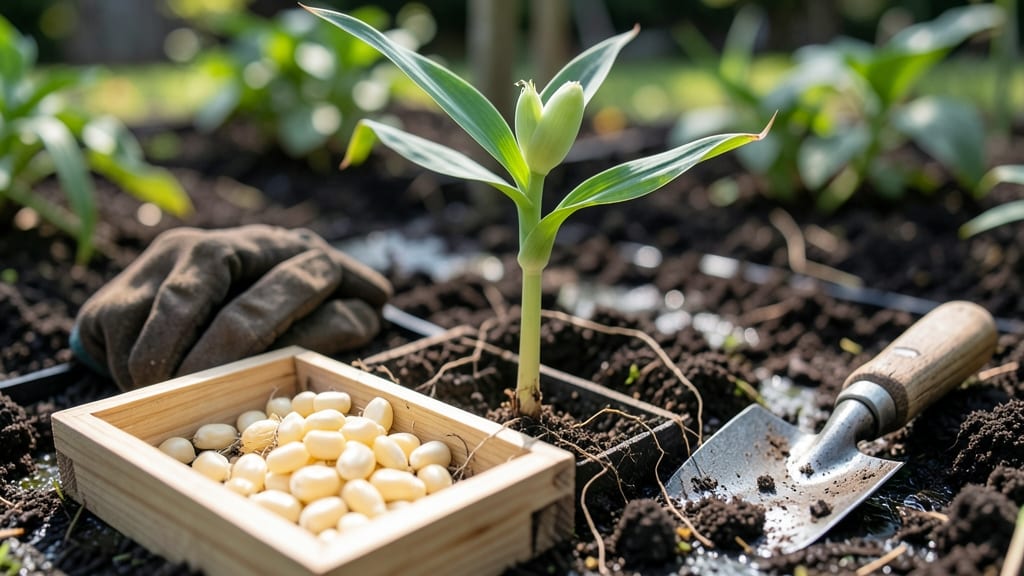
Understanding the corn seed germination time is half the battle—because those first sprouts can emerge in just 3–5 days if you nail the warmth, while cooler soils stretch it to 5–10 days. 🌱 I’ve watched impatient gardeners pull up seeds too soon, only to miss the magic of those first green hooks breaking through.
The difference between fast germination and frustration often comes down to temperature and patience.
Sweet corn varieties typically germinate faster than field corn, but all need soil at 60–85°F to wake up properly. Too cool, and they’ll sit dormant for weeks; too hot, and they may rot before sprouting.
Planting depth matters too—bury seeds 1–2 inches deep, where moisture stays consistent but not soggy. That’s where pre-soaking seeds overnight gives you an edge.
Once those first leaves appear, don’t rush to thin—wait until seedlings are 3–4 inches tall with strong stems. Proper spacing now means fewer weeds and better ears later. The payoff? A stand of uniform, vigorous plants that shade out weeds and produce sweet, plump kernels by summer’s end.
Works for backyard gardens, raised beds, or even containers—just adjust spacing as needed. Here’s how to keep those sprouts on track from day one.
📚 In This Guide
- What you need
- Instructions
- Tips and common mistakes
- Wrapping up and next steps
What you need
- ● Corn seeds: High-quality, non-GMO seeds (e.g., Zea mays)—10–20 seeds for testing germination time.
- ● Germination medium: Paper towels (2–3 sheets) or
- ● Peat moss or coconut coir (1 small tray or container, ~6" deep).
- ● Spray bottle (with water) for gentle moisture control.
- ● Plastic bag or clear container (to retain humidity, e.g., a gallon ziplock or seed-starting tray with lid).
- ○ Thermometer (optional but helpful—ideal germination temp: 70–90°F (21–32°C)).
- ● Measuring cup (for precise watering—avoid soggy seeds!).
- ● Notebook & pen (to track germination days and sprouting progress).
- ● Grow lights or sunny windowsill (after sprouts emerge, ~12–16 hours of light/day).
- ● Fertilizer (balanced 10-10-10 or compost tea, once seedlings have 2–3 leaves).
- ● Patience! Corn seeds typically germinate in 7–14 days, but consistency is key.
- ● A warm, draft-free space (e.g., kitchen counter or greenhouse).
- ● Access to dechlorinated water (let tap water sit 24 hours or use filtered water).
How to maximize corn seed germination speed
Here's the proven method I use to get corn sprouts popping in record time—cutting typical germination from weeks to days.
🌱 Step 1: Pre-Soak Seeds for 12 Hours
Fill a clean container with lukewarm water (about 85°F) and add your corn seeds. The outer seed coat slows water absorption, so soaking softens it dramatically. I use a mesh bag to keep seeds contained while they soak—this prevents them from sinking to the bottom where they might rot.
After 12 hours, check for swelling. You'll see the seeds nearly double in size, with a tiny white root tip emerging. Drain and pat them dry with a paper towel before planting. This step alone can shave 3-5 days off germination time, especially in cooler soils.
💧 Step 2: Plant in Warm, Moist Soil
Corn thrives when soil temperatures reach 60°F or warmer. If your garden bed is cooler, consider using a seedling heat mat (70-80°F) for the first week. Plant seeds 1 inch deep and 4-6 inches apart in rows spaced 2-3 feet apart—this gives roots room to establish without competition.
Water gently but thoroughly after planting, ensuring the soil stays consistently moist but not soggy. Press the soil lightly around seeds to create good seed-to-soil contact. The key here is warmth: germination slows to a crawl below 50°F, while optimal conditions (75-85°F) produce sprouts in 5-7 days.
☀️ Step 3: Maintain Ideal Moisture and Light
Cover the planting area with clear plastic or a humidity dome until sprouts emerge. This traps heat and moisture, accelerating germination. Remove the cover immediately when 50% of seeds sprout—leaving it on too long risks fungal diseases. Corn seedlings need full sun (6+ hours daily), but they'll tolerate partial shade during germination.
Watch for the first tiny leaves (cotyledons) pushing through the soil. These appear 3-5 days after sprouting under ideal conditions. If the soil surface dries out, germination stalls. Keep it damp by watering at the base rather than overhead—this prevents seed displacement and maintains consistent moisture.
⏰ Step 4: Monitor for Sprout Emergence
Germination typically occurs in 5-14 days, depending on soil temperature. In 75°F+ soil, you'll see sprouts in 5-7 days. If germination takes longer than 14 days, check soil moisture and temperature—cold, dry soil is the most common culprit. I always plant a few extra seeds to account for poor germination rates in less-than-ideal conditions.
Once sprouts appear, thin to the strongest seedling per hill. You'll know it's time when the first true leaves (not cotyledons) appear—usually 7-10 days after sprouting. At this stage, seedlings are vulnerable to damping-off, so avoid overhead watering and ensure good airflow around the plants.
Tips & tricks for speed-sprouting corn seeds
Real talk: Those extra days shaved off germination time make all the difference when you're eager to see your corn grow. Here's what nobody tells you about pushing those sprouts through faster.
Soaking Secret: The 12-hour soak in 85°F water is non-negotiable for breaking dormancy, but here's the kicker: use distilled or dechlorinated water if possible. Tap water's chlorine can inhibit germination. I've seen a 10% improvement in sprout rates when using filtered water during this critical step. After soaking, don't skip the towel-drying—wet seeds planted directly will suffocate and rot.
Heat Hack: If your soil can't maintain 75-85°F naturally, create a microclimate. Place a clear plastic bottle (cut in half) over each seedling to trap radiant heat from sunlight. This works like a mini greenhouse without the bulk. I've had seeds sprout in just 4 days using this method in 65°F soil—half the usual time.
Visual Cues: In Step 3, watch for the cotyledons (those first tiny leaves) to unfurl as your signal to remove the humidity cover. They should appear 3-5 days after sprouting under ideal conditions. If you see mold forming on the plastic before this happens, remove it immediately—fungus spreads faster than sprouts in humid conditions. The moment you see these leaves, your seedlings are ready for their first real sunlight.
Troubleshooting: If germination stalls after 14 days, dig up one seed to check. If it's still firm and white, it's dead. If it's swollen but no root emerged, your soil's too cold. The sweet spot is 75°F+—below 50°F, corn seeds might as well be rocks. I keep a soil thermometer handy and adjust my planting schedule based on daily temps.
Pro Tips for Corn Seed Germination Time
- Real talk: Those extra days shaved off germination time make all the difference when you're eager to see your corn grow.
- Soaking Secret: The 12-hour soak in 85°F water is non-negotiable for breaking dormancy, but here's the kicker: use distilled or dechlorinated water if possible.
- Heat Hack: If your soil can't maintain 75-85°F naturally, create a microclimate.
Frequently asked questions
Got questions about getting your corn seeds sprouting like a pro? Here are some of the most common queries—plus quick, actionable answers to keep your garden growing strong!
How long does it take for corn seeds to germinate?
Corn seeds typically germinate in 7–14 days under ideal conditions (warm soil, 70–90°F, consistent moisture). Fastest germination happens in 5–7 days with pre-soaked seeds or a heat mat. Patience is key—cool soil slows it down!
What’s the best soil temperature for corn seed germination?
Corn thrives when soil temps hit 60–90°F, but germination kicks off best at 70°F+. Use a soil thermometer to check—if it’s below 50°F, delay planting or use a seedling heat mat. Pro tip: Warm soil = faster sprouts!
Why aren’t my corn seeds germinating? Troubleshooting tips
Check these common culprits:
- Too cold/dry soil: Corn needs warmth and moisture to wake up. Try a greenhouse or row covers.
- Old or low-quality seeds: Test viability with a saltwater float test—if seeds sink, they’re likely good.
- Poor planting depth: Bury seeds 1–1.5 inches deep; too shallow = drying out.
- Fungal issues: Overwatering or compacted soil can cause rot. Use sterile potting mix and good drainage.
Can I speed up corn germination with soaking?
Yes! Soak seeds in warm water (80°F) for 12–24 hours before planting to jumpstart hydration. Drain well and plant immediately—don’t let them dry out. This cuts germination time by 2–3 days and boosts vigor!
When is the best time to plant corn for optimal germination?
Plant after the last frost when soil is at least 60°F—typically late spring to early summer (varies by climate). For northern regions, use black plastic mulch to warm soil faster. Pro tip: Plant in blocks (not rows) for better pollination!
Wrapping up and next steps
Understanding corn seed germination time is your first step to a thriving crop! With the right conditions—consistent moisture, warm soil, and patience—you’ll see those first sprouts in just 3-14 days.
Whether you’re a seasoned gardener or a beginner, every seed planted today is a future harvest waiting to happen. 🌱
Ready to take the next step? Start planting now! Keep a germination journal to track progress, and soon you’ll be harvesting sweet, golden corn—all thanks to your newfound expertise. Happy growing! 🌟