
Vegetables
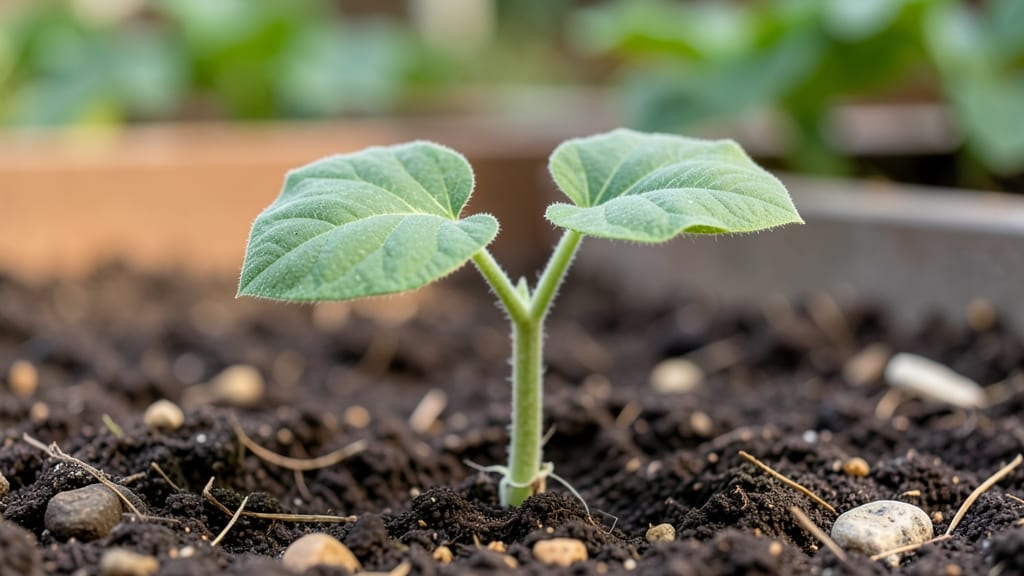
The first true cucumber seed leaves of seedlings reveal everything about their future. Recognizing these seed leaves—those delicate, rounded cotyledons—helps you spot weak starts before damping-off strikes. I’ve saved countless seedlings by acting at this critical stage, and the method is simpler than most gardeners realize.
These seed leaves should unfurl within 5-7 days of germination, turning a vibrant green when happy. If they stay pale or yellow, check moisture—overwatering is the silent killer here.
A gentle twist test (yes, really) confirms root strength: grasp the stem near the soil and twist slightly. Resistance means roots are holding; no resistance means replanting is urgent.
📚 In This Guide
- What you need
- Instructions
- Tips and common mistakes
- Wrapping up and next steps
What you need
- ● Fresh cucumber seeds: Harvest from organic, heirloom, or non-hybrid cucumbers (avoid store-bought varieties). Aim for 50–100 seeds per batch.
- ● Paper towels or coffee filters: 2–3 sheets per batch (unbleached, seed-free).
- ● Plastic zip-top bags: 1–2 quart-sized bags (reusable or compostable).
- ● Distilled or dechlorinated water: ¼ cup per batch (room temperature).
- ○ Fine-mesh strainer or sieve: For rinsing seeds (optional but helpful).
- ● Small bowl or container: For soaking seeds (shallow and wide works best).
- ● Permanent marker: To label bags with seed variety and date.
- ● Rubbing alcohol (70% isopropyl): 1–2 tbsp (for sterilizing surfaces).
- ○ Spray bottle (optional): For misting seeds during drying.
- ● Seed-saving journal: To track varieties, germination rates, and storage notes.
- ● Desiccant packets: For long-term storage (place 1–2 in sealed bags).
- ● Humidity pack: A small jar with silica gel or uncooked rice to absorb excess moisture.
- ● UV-protective storage box: Opaque containers block light and extend seed viability.
- ● Digital scale: For precise seed measurements (if testing germination rates).
How to preserve cucumber seeds using the gentle twist method
This method saves seeds from hybrid cucumbers while maintaining viability—no fancy equipment needed.
Select and Harvest Ripe Cucumbers
Choose cucumbers that are fully mature but not overripe—look for deep green color and firm texture. The seeds inside should be plump and fully formed, which typically happens 10-14 days after pollination. Cut the cucumber open lengthwise and scoop out the seeds along with the gelatinous pulp into a bowl.
Don’t use cucumbers that are yellowing or mushy—the seeds won’t store well. The pulp acts as a natural preservative, so leave it attached to the seeds. If you’re saving seeds from multiple cucumbers, combine them in the same bowl to increase yield.
Ferment the Seeds for 3-5 Days
Cover the bowl with a clean cloth or paper towel and let it ferment at room temperature (65-75°F) for 3-5 days. You’ll notice the mixture bubbling slightly and developing a slightly foul odor—this fermentation process breaks down the pulp and helps separate viable seeds from non-viable ones.
Stir the mixture gently once a day to prevent mold. If you see mold forming, discard the batch and start over. The fermentation is complete when the pulp turns brown and the seeds sink to the bottom of the bowl.
Rinse and Separate the Seeds
After fermentation, pour the mixture through a fine-mesh strainer or cheesecloth to separate the seeds from the pulp. Rinse the seeds under cool water until the water runs clear—this removes any remaining pulp and ensures the seeds are clean. Spread them out on a clean paper towel to dry.
Discard any seeds that float—they’re likely non-viable. The good seeds will sink and appear plump and firm. Place the seeds in a single layer on the towel and let them dry for 2-3 days in a warm, dry place with good airflow. They’re ready when they’re hard and brittle to the touch.
Store the Seeds Properly
Once fully dry, transfer the seeds to a small envelope or airtight container. Label it with the cucumber variety and the date of harvest. Store the seeds in a cool, dark place—such as a refrigerator or seed storage box—where they’ll remain viable for 3-5 years. Check the seeds annually to ensure they haven’t absorbed moisture.
This method works best for heirloom cucumbers, as hybrid seeds may not produce true-to-type plants. If you’re unsure about the cucumber’s lineage, test a few seeds by planting them to see if they grow as expected.
Tips & tricks for preserving cucumber seeds the right way
This method is all about patience and precision—small details make a huge difference in seed viability.
Selection is Everything: The 10-14 day window after pollination is critical for viable seeds. Look for cucumbers with deep green skin and firm flesh—any yellowing or soft spots mean the seeds won't store well. I've ruined batches using overripe cucumbers, so don't skip this step! The gelatinous pulp around the seeds acts as a natural preservative, so leave it attached during harvest.
Fermentation Timing: That 3-5 day fermentation window at 65-75°F is where the magic happens. The slight bubbling and foul odor are normal signs fermentation is working—don't be put off by the smell! If your kitchen runs cooler (below 65°F), consider placing the bowl near a sunny window or using a seedling heat mat to maintain proper temperature. Stirring gently once daily prevents mold, which can ruin your entire batch.
Drying Technique: Spread seeds in a single layer on paper towels—crowding them causes uneven drying and potential mold. Place them in a warm, dry spot with good airflow (like a sunny windowsill with a fan nearby). The seeds are ready when they're hard and brittle to the touch—this usually takes exactly 2-3 days if conditions are right. I've seen people rush this step and end up with seeds that won't germinate.
Pro Tips for Cucumber Seed Leaves
- This method is all about patience and precision—small details make a huge difference in seed viability.
- Selection is Everything: The 10-14 day window after pollination is critical for viable seeds.
- Fermentation Timing: That 3-5 day fermentation window at 65-75°F is where the magic happens.
Frequently asked questions
Got questions about harvesting and preserving cucumber seed leaves? You’re not alone! Here are some common queries—and the answers you need to keep your seeds thriving.
What’s the best time to harvest cucumber seed leaves for seed saving?
Harvest seed leaves when cucumbers are fully mature (about 60–70 days after planting) and the fruit is yellowing or turning brown. Pick leaves from healthy plants in the morning when moisture levels are high—this ensures better seed viability. Avoid leaves with signs of disease or pests!
How long can I store cucumber seed leaves before processing them?
Process seed leaves as soon as possible after harvesting for the best results. If you must store them, keep them in a cool, dry place (like a paper bag in the fridge) for up to 3–5 days. Beyond that, seeds may lose viability. Fresh is always best!
Can I use cucumber seed leaves from store-bought cucumbers for saving seeds?
Unfortunately, no! Store-bought cucumbers are often hybrid varieties, meaning seeds won’t grow true to type. For reliable seed saving, use heirloom or open-pollinated cucumbers from your garden or trusted seed sources. Check labels or ask the seller!
What if my cucumber seed leaves mold or rot during the twisting process?
Mold or rot can happen if leaves are too wet or stored improperly. To prevent this, pat leaves dry before twisting, work in a well-ventilated area, and avoid overcrowding. If mold appears, discard the batch—it can contaminate your seeds. Always use clean tools and surfaces!
Are there alternatives to the twisting method for preserving cucumber seed leaves?
Yes! If twisting isn’t your style, try these methods:
- Fermentation: Soak seed leaves in water for 3–5 days, stirring daily, then rinse and dry seeds.
- Paper Towel Method: Place leaves between damp paper towels in a sealed container for 2–3 days to soften before processing.
- Sun-Drying: Spread leaves in a single layer in direct sunlight for 2–3 days to dry completely before extracting seeds.
Wrapping up and next steps
Growing cucumber seed leaves using the gentle twist method is a rewarding way to preserve heirloom varieties and ensure a fresh harvest. By following these simple steps, you’re not just saving seeds—you’re nurturing the future of your garden with minimal effort.
Ready to give it a try? Start with a few cucumbers from your favorite plants, experiment with the method, and soon you’ll be sharing your thriving seed leaves with fellow gardeners! 🌱