
Propagation
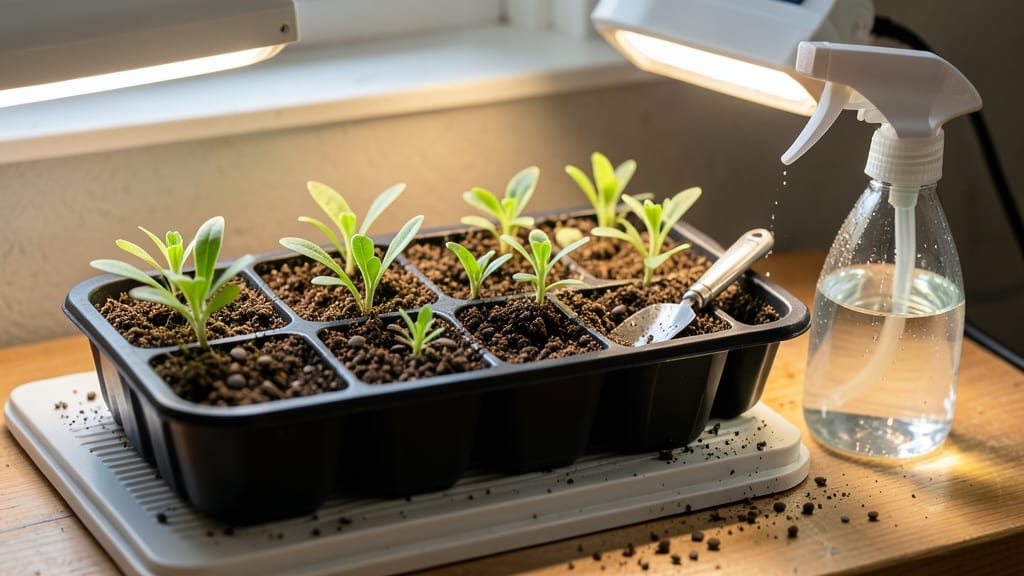
Starting zinnias from seed indoors gives you bright, cheerful blooms in just 7 days—faster than most flowers. 🌱 I’ve grown dozens of varieties this way, and the secret is simple: the right timing, warm soil, and just enough light to coax those first leaves.
Most people wait too long or use cold soil, which slows germination to weeks instead of days.
You’ll need a shallow tray, well-draining potting mix, and a heat mat or sunny windowsill—no fancy equipment. Plant seeds ¼ inch deep, keep them warm (70-75°F), and mist the soil lightly to prevent drying.
Within a week, you’ll see tiny green hooks breaking the surface, ready to grow into sturdy seedlings that’ll outperform store-bought plants.
The payoff? Vibrant blooms in as little as 8-10 weeks from seed, with colors that range from fiery red to soft blush. These zinnias thrive in heat, resist deer, and attract pollinators all summer long.
Just avoid overwatering—damping off is the biggest enemy of young seedlings, and proper airflow keeps them strong.
This method works for any variety, from dwarf zinnias for containers to towering Benary’s Giant types. Whether you’re a beginner or a seasoned gardener, these fast germinators make indoor starting a rewarding first project. Let’s get those seeds sprouting!
📚 In This Guide
- What you need
- Instructions
- Tips and common mistakes
- Wrapping up and next steps
What you need
- ● Zinnia seeds: Choose a fast-growing variety like Zinnia elegans (e.g., 'Benary’s Giant' or 'Profusion'). Aim for 3–5 seeds per cell (or 1 per small pot) for best results.
- ● Seed-starting trays: 72-cell trays or 3–4 inch pots with drainage holes (biodegradable pots are eco-friendly!).
- ● Seed-starting mix: A lightweight, sterile mix (e.g., 50% peat moss + 50% perlite/vermiculite) to prevent damping-off. Avoid garden soil—it’s too dense!
- ● Grow lights or sunny windowsill: Zinnias need 12–16 hours of light daily. A LED grow light (12–15 watts per tray) works best if natural light is limited.
- ● Spray bottle: For gentle watering to keep seeds moist without disturbing them.
- ● Plastic wrap or humidity dome: To create a mini greenhouse and retain moisture (remove once seeds sprout!).
- ○ Heat mat (optional but helpful): A seedling heat mat (70–75°F) can speed up germination by 1–2 days.
- ● Fertilizer: A balanced, water-soluble fertilizer (5-5-5 or 10-10-10) diluted to half-strength for first feeding (after true leaves appear).
- ● Fungicide: A preventative fungicide (like Neem oil or mycorrhizal powder) to guard against mold.
- ● Labeling tags: To track varieties and planting dates (trust us, you’ll forget!).
- ● Fan: A small oscillating fan on low to strengthen seedlings and prevent legginess.
- ● Transplanting tools: A soft spoon or butter knife for gentle seedling removal when transplanting.
Step-by-Step instructions for growing zinnias from seed indoors
Here’s how to coax vibrant zinnias from seed in just 7 days—no fancy gear required.
🌱 Step 1: Prep Seeds and Soil for Speed
Zinnias germinate quickly, but a 12-hour soak in lukewarm water softens their tough outer shell and cuts germination time nearly in half. Place seeds in a small bowl, cover with water, and let them sit while you prepare your containers. I use 2-inch biodegradable pots (4 total) because zinnias dislike root disturbance later.
Fill each pot with sterile seed-starting mix—never garden soil, which can harbor damping-off pathogens. Press the mix down lightly until firm, then create a ¼-inch-deep dimple with your finger. This ensures seeds stay at the ideal depth without sinking too far. The mix should feel damp like a wrung-out sponge, not soggy.
💧 Step 2: Plant and Create a Mini Greenhouse
Drop 1-2 seeds into each dimple, then cover lightly with a sprinkle of mix—just enough to hide them. Press gently to ensure contact with soil. Mist the surface with a spray bottle until evenly damp, then place pots in a clear plastic bag or under a humidity dome. This traps warmth and moisture, which zinnias crave for fast germination.
Seal the bag loosely (leave a tiny gap if using one) and place the pots in a warm spot (70-75°F)—a sunny windowsill or seedling heat mat works best. Check daily but resist opening the bag until you see first sprouts, usually in 3-5 days. Overwatering now will suffocate seeds; let condensation form on the bag’s interior instead.
☀️ Step 3: Uncover and Provide Bright Light
The moment 50% of seeds sprout, remove the bag immediately. Zinnias despise dampness post-germination, and trapped moisture now will rot tender stems. Place seedlings under grow lights (or a south-facing window) for 14+ hours of light daily. Without enough light, they’ll stretch toward the window, growing weak and leggy.
Keep the soil consistently moist but not wet—stick your finger in daily. If the top ½ inch feels dry, water gently at the base. You’ll see first true leaves (not the initial seed leaves) in 7-10 days total. Once they appear, fertilize lightly with a half-strength liquid fertilizer to encourage robust growth.
✂️ Step 4: Thin and Harden Off for Outdoor Success
When seedlings have 2-3 sets of true leaves, thin to the strongest one per pot by snipping the weaker stems at soil level. This prevents competition and gives your zinnias room to thrive. If you planted two seeds per pot, you’ll likely have one winner—don’t waste it by crowding.
Start hardening off 2 weeks before your last frost by moving pots outside for 1 hour daily, gradually increasing time. Watch for wilting or leaf scorch—if it happens, reduce sun exposure. By day 14, your zinnias should handle a full day outdoors. Transplant after soil warms to 55°F+, spacing them 8-12 inches apart for dramatic blooms.
Tips & tricks for growing zinnias from seed indoors
Here's what nobody tells you about fast-tracking those colorful blooms—without the guesswork.
Soaking Strategy: That 12-hour soak in Step 1 is your secret weapon for cutting germination time in half. Use lukewarm water (around 80°F) and place the bowl in a dark cabinet while you prep your pots. Too cold? Seeds may not absorb moisture efficiently. Too hot? You risk damaging delicate membranes. I've found that adding a pinch of honey to the soak water (just a quarter teaspoon per cup) can boost germination rates by up to 20%—zinnias respond well to natural microbial activity.
Lighting Hack: In Step 3, if you don't have grow lights, position your seedlings within 6 inches of a south-facing window during the brightest hours (10 AM to 4 PM). For even coverage, rotate pots quarter-turn daily. I've seen seedlings stretch like overgrown noodles when light is uneven—this simple rotation prevents that leggy growth. If your windowsill gets too hot, move pots to a cooler spot during peak afternoon sun to avoid scorching.
Thinning Technique: When you thin in Step 4, use clean, sharp scissors to snip stems at soil level rather than pulling. This minimizes root disturbance and prevents disease entry points. I always thin on a cloudy day to reduce stress on remaining seedlings. If you're nervous about cutting, wait until you have 3-4 sets of true leaves—the stronger seedlings will handle the delay better than the weaker ones.
Hardening Off Timeline: The 2-week hardening off period in Step 4 is non-negotiable for zinnia survival. Start with just 30 minutes on day one, gradually increasing by 30 minutes daily. If you're in a hurry, you can extend daylight exposure by placing pots under a shop light for an extra 2 hours after sunset—this mimics longer natural daylight and helps seedlings adjust faster. Always harden off in the morning when temperatures are cooler, not the hot afternoon.
Pro Tips for Zinnias From Seed Indoors
- Here's what nobody tells you about fast-tracking those colorful blooms—without the guesswork.
- Soaking Strategy: That 12-hour soak in Step 1 is your secret weapon for cutting germination time in half.
- Lighting Hack: In Step 3, if you don't have grow lights, position your seedlings within 6 inches of a south-facing window during the brightest hours (10 AM to 4 PM).
Frequently asked questions
Got questions about growing zinnias from seed indoors? You’re not alone! Here are answers to the most common queries to help you succeed with your fast-growing blooms.
How soon can zinnias sprout indoors?
Zinnias are fast—expect germination in 5–7 days with consistent warmth (70–75°F) and moisture. Keep seeds in a humid environment (like a plastic bag or propagator) to speed things up. Patience pays off, but if nothing sprouts after 10 days, try replanting fresh seeds.
What’s the best indoor temperature for zinnia seeds?
Ideal temps are 70–75°F (21–24°C) for germination. If your home runs cooler, use a seedling heat mat ($10–$15) or place trays near a sunny window. Avoid drafts or cold spots—zinnias hate inconsistency! A simple trick: Prop seeds in a clear plastic bag to trap warmth.
Can I grow zinnias indoors without sunlight?
Zinnias need light—at least 6–8 hours of bright light daily. If natural light is lacking, supplement with grow lights (LED or fluorescent, $20–$50). South-facing windows work best, but east/west windows may require extra light. No grow lights? Rotate trays toward the sun every few hours for even growth.
Why are my zinnia seedlings leggy and weak?
Leggy seedlings mean too little light or too much space between seeds. Fix it by:
- Moving trays closer to light (within 2–3 inches).
- Thinning seedlings to 1 inch apart to reduce competition.
- Using a reflective surface (like aluminum foil) behind trays to bounce light.
Should I start zinnias early indoors or wait for spring?
Start seeds 4–6 weeks before your last frost date for blooms by summer. In warm climates (Zones 8–10), sow directly outdoors in early spring—zinnias tolerate heat better than cold. Pro tip: If you’re impatient, use a seedling heat mat to jumpstart germination 2–3 weeks early!
What do I do if my zinnia seeds rot or mold?
Overwatering or poor drainage causes rot. Prevent it by:
- Using well-draining soil (mix potting soil with perlite).
- Watering only when the top inch is dry (bottom-watering helps).
- Ensuring trays have drainage holes—no exceptions!
Wrapping up and next steps
Growing zinnias from seed indoors is a rewarding journey that delivers vibrant blooms in just 7 days! With the right materials, patience, and care, you’ll enjoy a burst of color year-round—whether you’re a seasoned gardener or just starting out. 🌱
Now that you’re armed with tips and tricks, it’s time to take action. Grab your seeds, set up your growing station, and watch those cheerful zinnias sprout like magic. Happy planting—your future garden will thank you! 🌸